
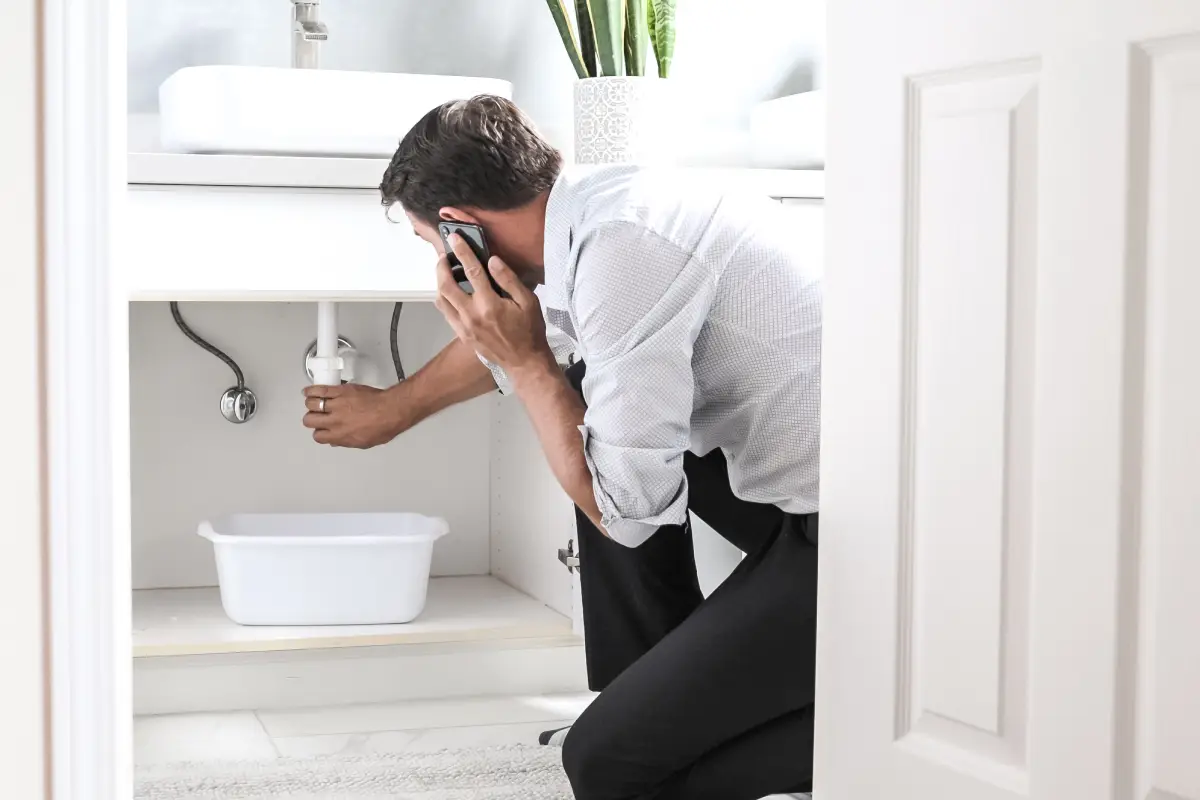
Some repairs don’t stay resolved for long. You handle one issue, move on, and then find yourself dealing with it again, not much later. It might show up in a different unit or come back in the same spot, but the repetition starts to stand out.
In Murfreesboro rentals, this kind of pattern usually points to inefficiencies that haven’t been fully addressed. Taking a closer look at how these issues repeat, especially when reviewing insights from tenant concern systems, can help you pinpoint what’s actually causing the cycle.
Key Takeaways
- Recurring repairs often indicate deeper system inefficiencies that need long-term solutions
- Temporary fixes can increase maintenance costs when issues return
- Delayed upgrades lead to more frequent breakdowns and reduced efficiency
- Reliable maintenance improves tenant satisfaction and long-term retention
- Tracking repair patterns helps uncover issues before they escalate
Why Recurring Repairs Should Get Your Attention
When the same issue appears more than once, it’s rarely a coincidence. It usually means the original cause was never fully resolved.
Looking Beyond the Immediate Repair
A clogged drain that keeps returning may point to buildup further along the pipes. Electrical issues that reappear might suggest outdated wiring or overloaded circuits. These examples show why it’s important to go beyond quick fixes and identify the root cause.
Tracking maintenance history helps reveal patterns that might otherwise go unnoticed. Without it, recurring issues can continue to increase costs and create ongoing disruptions.
Common Warning Signs
- Plumbing issues that affect the same location repeatedly
- HVAC systems that require frequent service visits
- Electrical problems that persist after repairs
Recognizing these patterns early allows you to address problems before they grow.
The Real Cost Behind Repeat Repairs
Repeated repairs may seem manageable individually, but they can add up quickly over time.
Each service call involves labor, materials, and coordination. When the same issue returns, those costs multiply. Housing data shows that median monthly owner costs reached $2,035 in 2024, reflecting how expenses continue to rise.
Why Short-Term Fixes Become Expensive
Quick fixes often address the immediate problem but fail to solve the underlying issue. This leads to repeated work and higher long-term costs.
Across the housing market, repair needs reached $198.4 billion in a single year, largely driven by unresolved maintenance issues.
Improving Cost Awareness
Understanding your maintenance expenses helps you make better decisions. Reviewing financial details through an accounting services overview can reveal where recurring repairs are increasing your costs.
Delayed Upgrades Keep the Cycle Going
Putting off upgrades may seem practical, but it often leads to more frequent breakdowns.
Older systems lose efficiency over time. They require more attention and are more likely to fail unexpectedly. This creates a cycle where repairs continue without improving overall performance.
Long-Term Effects of Waiting Too Long
- Increased frequency of maintenance calls
- Higher utility costs due to inefficiency
- Shortened lifespan of equipment
- Greater risk of sudden failures
Making timely upgrades helps reduce these risks and stabilize property performance.
Tenant Confidence Fades with Repeated Issues
Recurring maintenance problems affect how tenants experience your property. Even when repairs are handled quickly, repeated disruptions can lead to frustration.
Clear communication plays a major role in maintaining trust. Addressing concerns thoroughly, as discussed in eco-friendly upgrade strategies, helps improve tenant satisfaction while reducing recurring issues.
Signs Tenants Are Losing Confidence
- Repeat complaints about the same issue
- Frustration during maintenance requests
- Lower satisfaction despite quick responses
- Hesitation to renew leases
These signals often connect directly to unresolved maintenance patterns.
Preventive Maintenance Reduces Repeat Problems
A proactive approach to maintenance helps stop recurring issues before they start. Instead of reacting to problems, it focuses on prevention and long-term performance.
Routine inspections, scheduled servicing, and consistent upkeep all contribute to better results. These steps allow you to catch small issues early and prevent them from turning into repeated repairs.
How Preventive Maintenance Helps
Regular maintenance allows you to:
- Identify early warning signs before issues escalate
- Reduce emergency repair calls
- Extend the lifespan of systems and equipment
- Improve overall property reliability
This approach creates a more stable environment for both you and your tenants.
Technology Helps You Stay Organized
Keeping track of maintenance history becomes easier with the right tools. Organized systems help you identify patterns and respond more effectively.
Using tools like online owner portals allows you to manage requests, track repairs, and maintain clear communication with tenants.
Why Organization Matters
A well-organized system helps you stay ahead of recurring issues instead of constantly reacting to them. It also improves efficiency and reduces response times.
Strengthening Long-Term Property Performance
Recurring repairs often signal broader performance challenges. Addressing these patterns improves overall stability and long-term returns.
Strategies outlined in property protection methods can help you maintain your property more effectively and avoid repeated issues.
Tools That Support Smarter Decisions
Using a free rental analysis can highlight inefficiencies and show where improvements will have the greatest impact. Reviewing available owner resources also provides valuable guidance for managing your property more effectively.
FAQs about Recurring Repairs and Rental Property Efficiency in Murfreesboro, TN
Why do recurring repair issues sometimes appear in different units instead of just one?
When similar problems show up across multiple units, it often points to a shared system issue such as aging infrastructure or installation flaws. This usually means the problem goes beyond individual usage and requires a broader fix.
How can maintenance records help prevent repeated repairs?
Detailed records allow you to track patterns over time, including how often issues occur and where they happen. This information helps identify root causes early and prevents repeated spending on temporary solutions.
Can recurring repairs increase overall operating costs even if each fix is small?
Yes, small repairs can add up quickly when they happen repeatedly. Labor, materials, and scheduling costs compound over time, making frequent minor fixes more expensive than addressing the underlying issue once.
What role do contractors play in identifying recurring maintenance problems?
Experienced contractors can spot patterns that may not be obvious during a single visit. Their insights help determine whether a problem is isolated or part of a larger issue that requires a more permanent solution.
How do recurring repairs affect long-term planning for rental properties?
Repeated issues make it harder to budget accurately and plan upgrades. Identifying these patterns early allows for better financial planning and helps prioritize improvements that reduce future maintenance needs.
Turning Recurring Issues Into Long-Term Stability
Fixing the same problem over and over eventually starts to shape how your property performs and how tenants experience it. Shifting your focus toward lasting solutions creates a smoother and more predictable operation.
At PMI Professionals, we work alongside you to spot patterns early, fine-tune maintenance strategies, and reduce the need for repeat repairs. This approach helps your Murfreesboro property stay efficient while keeping tenants more satisfied over time.
When you’re ready to move forward with fewer repeat issues, start making lasting improvements and restore consistent property performance with support built around long-term results.